
Electric auto rickshaw range is the first thing drivers and operators talk about. If the vehicle promises 100 km but you only get 60 km on a busy day, that hurts income and confidence. The real-world range of electric auto rickshaw fleets depends on a mix of factors affecting EV range: the drive motor, battery, load, speed, road, even tyre pressure. This guide walks through the main pieces so you can see where range is lost and how to increase electric rickshaw range in daily operation.
Motor-Related Factors that Shape Real-World Range
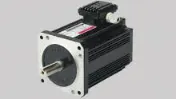
The drive unit is the heart of an electric auto rickshaw motor. If you choose the wrong setup, even a big battery feels small. Motor type, auto rickshaw motor efficiency, controller settings and power-to-weight ratio all decide how much electric rickshaw power consumption you see per kilometre. Typical traction motors for light vehicles sit in the 3 kW to 7.5 kW class, with rated speeds around 2300–3000 rpm and peak torque above 50 N·m, which is enough for city gradients when matched correctly.
Motor Type and Efficiency
Common e-rickshaw motor types include AC induction, BLDC and PMSM. A PMSM usually runs 5–10% more efficient than a similar induction unit and has higher power factor, so less energy turns into heat. That means lower electric rickshaw power consumption for the same route and better e-rickshaw mileage improvement. Some fleets directly compare PMSM vs induction motor for auto rickshaw models and see quieter running and stronger torque output at low speed. Choosing the best motor for electric auto rickshaw use often means balancing price against this extra efficiency. Moving from a basic induction unit to a PMSM motor for auto rickshaw can be a simple way to push EV range a little further without changing the battery pack.
Controller Tuning and Drive Modes
The controller decides how the motor draws current. Aggressive controller settings with sharp throttle response feel quick but waste energy. Softer controller settings, ECO mode and gentle current limits raise motor controller efficiency and help EV range optimization. Studies on EV fleets show that smoother driving behavior EV range can change total distance by more than 10%, just from throttle habits and controller settings alone.
Load and Vehicle Weight: How Much You Carry Matters
Every extra passenger and every crate on the roof adds up. Load impact on EV range is obvious on steep ramps: you feel the motor strain, and the battery gauge falls faster. In many markets a 3kW/5kW auto rickshaw motor is common, often on 60V/72V electric rickshaw systems, so there is not much spare power when the vehicle is overloaded.
Vehicle Load and Passenger Weight
Real data from e-rickshaw mileage studies show that heavy payload, rough routes and frequent stops can cut range by 15–20% compared with light-load flat routes. How passenger load affects rickshaw range is simple: more mass needs more energy for every start. If your vehicle uses a high-torque e-rickshaw motor with a good power-to-weight ratio, it will cope better, but the battery still empties quicker at full capacity. Many operators quietly accept one less passenger on hilly routes just to finish the day without a mid-shift charge.
Accessories and Rolling Resistance
Roof racks, metal advertising frames and heavier bodywork raise curb weight and wind drag. This makes city traffic energy loss worse, especially with stop-and-go driving. Rolling resistance also matters. Low tyre pressure and poor tyre alignment force the motor to work harder all day. EV range studies repeatedly list tyre pressure and alignment, load and road surface as key factors affecting EV range next to speed and temperature.
Speed and Driving Behaviour: The Human Side of Range
Speed vs energy consumption is not a straight line. A small increase that seems harmless on the speedometer can hit range quite hard. For light commercial EVs, moderate speeds with fewer hard accelerations usually go the furthest on each charge. City drivers also fight urban stop-and-go efficiency issues at every junction.
Speed Choice and Driving Style
Tests on electric cars and e-rickshaws show that driving style and speed can change range by 20% or more. High speed on open roads raises aerodynamic drag and energy use, while very slow, choppy driving wastes energy in repeated starts. A recommended speed for electric rickshaws is usually the legal city limit or slightly below it, with smooth acceleration and planned braking. This gives a better real-world range of electric auto rickshaw operation than “full throttle then hard brake” habits. Many drivers pick up small tricks over time, such as early lift-off before a red light or gentle rolling on small slopes, which quietly help how to increase electric rickshaw range without any hardware change.
Battery and Operating Conditions
Even a perfect drive system cannot cover for a weak battery. Battery capacity for electric rickshaws, battery health and degradation and daily charging habits all sit in the background, yet they decide how far you actually travel. Temperature, terrain and tyres then add another layer.
Battery Capacity and Health
Most e-rickshaws use a 48–72 V pack, with practical range shaped by both kWh and chemistry. As cells age, useful capacity drops, so why does e-rickshaw mileage drop after a year or two is a very common question in depots. Fleet data on factors affecting EV range shows that battery health and degradation, depth of discharge and fast-charging habits can cause double-digit range loss over time. Keeping reasonable charge windows and avoiding constant 0–100% cycles are still simple, boring but effective answers.
Temperature, Road and Tyres
How temperature affects EV battery range is well documented: very hot or very cold days reduce available energy and raise auxiliary loads like cabin fans. Rough roads increase rolling resistance and make regenerative braking less smooth. Regular checks on tyre pressure and alignment keep rolling resistance in a good zone and support steady EV range optimization without any electronics. Drivers sometimes joke that a cheap tyre gauge can save more energy in a year than a fancy phone app, which is not far from the truth.
About Qingdao Enneng Motor Co., Ltd.
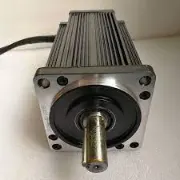
Qingdao Enneng Motor Co., Ltd. (ENNENG) focuses on permanent magnet motor research, design and manufacturing. It develops high and low voltage permanent magnet synchronous motors, direct-drive high-torque solutions and complete drive systems for demanding industrial users. ENNENG offers customized drive solutions rather than one-size-fits-all products, paying attention to the mechanical load, duty cycle and control method in each case. If you are planning a compact high-torque PMSM drive for equipment that runs long hours, this kind of experience with permanent magnet technology, cooling design and control integration is very useful. ENNENG focuses on stable long-term running, energy saving and practical details that matter on the factory floor and in the field, not just on paper specs.
FAQ
Q1: How many kilometers can an electric auto rickshaw usually travel on one charge?
A: In many markets, a typical electric rickshaw offers around 80–100 km per charge in mixed city driving, but heavy load, hills and traffic can cut that figure. Battery age and driving style also play a big role.
Q2: What is the single biggest factor that reduces range in daily use?
A: For most operators, it is a mix of heavy payload and hard driving. Full passenger load on bad roads plus sharp acceleration will drain the battery much faster than light-load, smoother trips on better streets.
Q3: Is a PMSM motor always better than an induction motor for rickshaws?
A: A PMSM usually gives higher efficiency and stronger low-speed torque, so it helps range and hill starts, but the initial cost is higher. If energy cost is high and the vehicle runs many hours per day, the extra efficiency often pays back over time.
Q4: Do speed limits really matter so much for range?
A: Yes, they do. Once speed climbs, air drag grows quickly and the motor needs more power. Driving a little slower with fewer full-throttle bursts can add several kilometers to a charge, which you feel clearly on long shifts.
Q5: How can a small operator quickly improve e-rickshaw mileage without new hardware?
A: Start with simple checks: correct tyre pressure, no unnecessary roof weight, smoother throttle use and sensible routes that avoid steep climbs when possible. Regular battery checks and gentler daily charging also help keep e-rickshaw mileage improvement going over the long term.


