
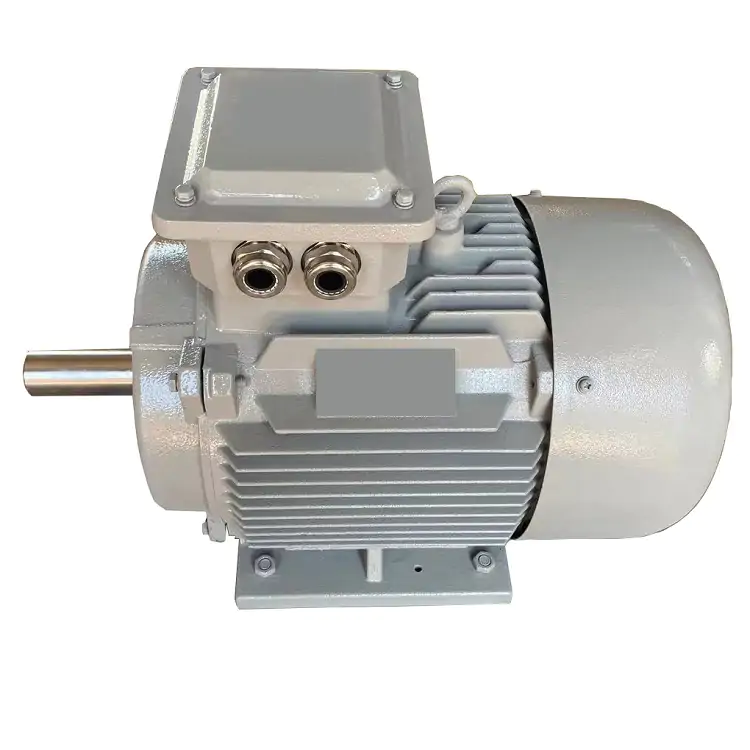
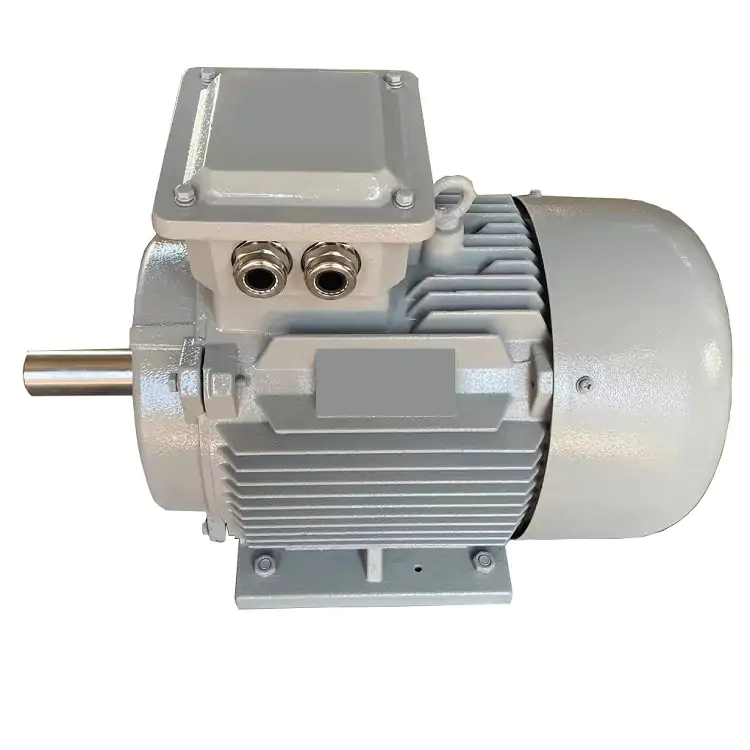
If you work with wind or water power systems long enough, you notice a simple truth: the generator is either your quiet ally or your biggest long-term headache. Low-speed turbines do not forgive wasted energy, unstable electrical output, or drivetrains that demand constant service. That is why more projects are shifting from older induction or electrically excited generator concepts to permanent magnet synchronous generators (PMSG) for low-speed wind and hydro applications.
In low-speed wind and water power, you deal with slow rotation, changing flow, long running hours, and harsh sites. A permanent magnet generator is built for that reality because the rotor magnets provide the field without a separate excitation system, helping reduce losses and support efficient generation across varying operating points.
Why Low-Speed Wind and Water Power Systems Benefit From Permanent Magnet Generators
Low-speed wind and hydro turbines often operate far below typical industrial rotational speeds, yet they still demand high torque and stable behavior when wind gusts or water flow changes. In this range, a permanent magnet synchronous generator keeps a steady rotor field from the magnets, which helps you generate power efficiently at low speed and reduces internal loss that would otherwise show up as heat.
Core Structural Features That Help at Low Speed
A PMSG places permanent magnets on the rotor to establish a constant magnetic field. As the turbine shaft turns, the stator windings cut this field and generate electricity. Because you are not feeding rotor excitation current, you avoid a major source of loss and simplify the rotating assembly.
For practical projects, this structure usually improves thermal behavior and reduces failure points tied to excitation hardware. It also supports compact designs for low-speed, high-torque duties where space and maintenance access are limited.
High Torque Density at Low Speeds
In wind and small hydro, low-speed torque matters more than chasing high rpm. Gearboxes can raise speed, but every stage adds loss, noise, and maintenance risk. A high-torque generator lets you reduce gear ratio, shrink the gearbox, or move toward direct drive, which can dramatically simplify the drivetrain.
Direct Response to Low-Speed Turbine Torque Demands
Permanent magnet synchronous machines maintain a strong rotor field at all times, so you can generate effectively even when the shaft speed is low and the resource is not at peak conditions. In direct-drive concepts, a low-speed, high-torque generator connects straight to the turbine shaft, reducing mechanical loss and avoiding backlash issues that can appear in complex gear trains.
When you remove or simplify gearing, you also reduce alignment work, cut the number of couplings, and lower the chance that one mechanical component takes the whole system offline.
Superior Energy Conversion Efficiency in Variable Wind and Water Conditions
Wind and water rarely stay constant, so your generator should not be “efficient only at one perfect point.” What matters in real sites is how stable your conversion efficiency is across a wide operating range, because that is what accumulates into annual energy production.
Permanent magnet synchronous generator systems tend to hold strong efficiency across broader speed and load ranges than many legacy approaches, especially when paired with modern power electronics.
Consistent Efficiency Across a Wide Speed Range
When wind drops to medium levels or a hydro site runs at partial flow, you still want usable output rather than a steep efficiency collapse. Permanent magnet designs are often chosen because they stay effective away from the “single design point,” which helps you harvest more energy across the day rather than only during peak resource windows.
Lower Internal Loss Compared With Traditional Generator Approaches
With rotor magnets providing the field, you eliminate excitation losses that can burden other generator types. Fewer loss components mean less heat to manage, which supports higher continuous ratings or a more compact frame for the same output.
In the field, less heat is not a nice detail. It affects insulation life, bearing conditions, and how often you need to schedule maintenance visits.
Better Electrical Output Control and Grid-Interface Performance
Control quality stops being theoretical the first time your site sees rapid wind shifts or a sudden load transition on a standalone microgrid. You want stable electrical output, clean regulation through the converter, and mechanical behavior that does not excite vibration.
Permanent magnet generator systems pair well with modern converter control strategies, helping you regulate torque and speed smoothly and reduce dynamic stress on the drivetrain.
Precise Speed and Torque Regulation Through Power Electronics
With a stable rotor field, modern control strategies can regulate electromagnetic torque quickly when the resource changes. In wind and hydro generation, that means you can keep operation closer to the best efficiency region and reduce mechanical stress during disturbances.
Smoother Operation With Less Ripple and Vibration
Good design plus good control reduces torque ripple, which lowers vibration and noise. For blades, couplings, and bearings, smoother torque means less fatigue and a longer service interval. It also helps the electrical side by supporting steadier conversion behavior through the power electronics interface.

Longer Service Life With Less Maintenance Pressure
Every site visit costs money, especially for remote wind installations or small hydro stations with limited access. Your generator choice can push those visits closer together or help you extend the maintenance interval.
Permanent magnet designs often remove separate excitation systems and other wearing components, while lower internal loss reduces average operating temperature. That combination supports longer practical life for insulation and bearings when the machine runs for long hours year-round.
Fewer Wearing Components and Cooler Continuous Operation
When you reduce rotating complexity, you reduce what can fail. A cooler machine typically holds its efficiency and insulation integrity longer, and it is less likely to drift into the “hotter than planned” zone that accelerates aging. In renewable generation, where duty cycles are long, that matters more than lab-grade peak efficiency claims.
Why Permanent Magnet Generators Can Reduce Lifetime Cost in Renewable Projects
If you only compare purchase price, permanent magnet generator systems can look more expensive upfront. But low-speed wind and hydro economics are driven by lifetime energy production, uptime, and maintenance effort. When you improve conversion efficiency over a wide operating range and reduce service frequency, total project cost can look very different over years of operation.
For planners and OEMs, this shifts the decision from “cheapest equipment” to “lowest lifetime cost per delivered kWh.” A generator that fits your real duty cycle and site constraints is a competitive advantage over the full operating life, not just at commissioning.
ENNENG Permanent Magnet Generator Solutions for Low-Speed Wind and Water Power
ENNENG (Qingdao Enneng Motor Co., Ltd.) focuses on research, design, and manufacturing of high-efficiency permanent magnet machines for industrial and energy applications, with attention to rotor structure, magnet selection, and cooling layout to support stable performance across a wide speed range.
For low-speed wind and water power projects, this design focus is especially relevant when you need high torque capability, reliable thermal margins, and long-term durability under continuous duty. You can use that foundation to build generation systems that are more efficient, more stable, and less maintenance-intensive in real operating environments.
FAQ
Q1: What is the difference between a permanent magnet generator and a permanent magnet motor in renewable energy systems?
A: A permanent magnet generator converts mechanical energy from wind or water turbines into electrical power, while a permanent magnet motor consumes electrical power to produce mechanical motion. Wind and hydro projects always use generators, not motors, because the energy flow direction is from turbine to grid or load.
Q2: Why do low-speed wind and hydro projects prefer permanent magnet generators?
A: You typically get strong low-speed torque capability, good efficiency across variable conditions, and fewer rotating subsystems compared with generator concepts that rely on separate excitation hardware.
Q3: Do permanent magnet generators always require power electronics?
A: In many modern wind and variable-speed hydro systems, power electronics are standard because they help manage variable frequency and regulate output. Your exact architecture depends on whether the project is grid-tied, microgrid, or standalone.
Q4: When is direct drive a realistic option?
A: Direct drive becomes realistic when the generator can provide high torque at low speed without growing too large, and when the project values reduced gearbox maintenance more than minimizing generator size.
Q5: What should you check before selecting a permanent magnet generator for a site?
A: Focus on turbine speed range, torque profile, cooling and sealing needs, grid-interface requirements, maintenance access, and expected annual operating hours—those factors decide whether the design will deliver stable lifetime performance.


