

When picking the right drive system for cable applications, you face choices that affect everything from daily operations to long-term costs. Think about those moments on a job site where a simple setup saves hours, or a glitchy gear causes downtime nobody saw coming. If you’re drafting specs, you want clear facts to back your decisions. This guide breaks down direct drive versus geared drive, focusing on what matters most in cable setups, like efficiency in tight spaces or handling heavy loads without fuss.
What’s the Main Difference Between Direct Drive and Geared Drive Systems?
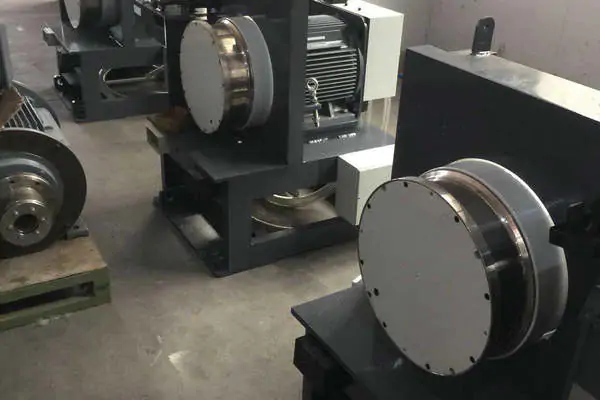
Both systems move cable, but they do it in different ways. A geared drive converts high-speed motor output through a reducer to get torque. A direct drive motor for cable application connects the motor directly to the drum or capstan, producing torque at low speed without mechanical transmission parts. This shift in design affects vibration, efficiency, and long-term reliability.
Power Transmission Structure
A geared system is built like a small machine inside another machine. It has couplings, bearings, seals, and a gearbox filled with oil. Each element needs attention and creates tiny gaps where mechanical play or noise starts. A direct drive motor for cable application removes that middle layer. The rotor couples straight to the drum, trimming vibration, oil leaks, and gear wear. With fewer parts, you also cut down maintenance and energy loss.
Impact on Torque and Speed
Gear reduction increases torque but passes along backlash and oscillation. When cable tension changes suddenly, gear teeth wind up and release. That’s what causes jerky motion or brief spikes in pull force. A direct drive motor used in cable handling produces high torque naturally at low speed, so there’s no delay or backlash. It runs quietly, and speed is controlled entirely through the inverter and feedback system, not a gearbox.
Why Does Torque Stability Matter in Cable Handling?
Cable lines are sensitive. Even small tension changes can affect how layers form on the reel. Pull too hard, and you damage insulation; pull too soft, and you get uneven layers that collapse later. Torque stability isn’t just about smooth motion—it’s about protecting product quality and keeping operators out of troubleshooting loops.
Tension Control and Layer Quality
Stable torque gives stable tension. It allows every layer to sit tightly and evenly. When torque fluctuates, tension jumps, leading to gaps and bulges. These issues appear later as loose coils or crushed layers. With a high-torque direct drive motor for cable system, torque remains consistent even under load change. Operators notice cleaner winding patterns and fewer mid-run corrections.
Gearbox Weak Points
Every gearbox has limits. Oil thins when hot, seals age, and teeth wear down. As backlash grows, it shows up as vibration or micro-ripple on the line. It’s not catastrophic, but over time it affects cable uniformity and equipment health. Gearboxes also raise noise levels—something operators always comment on before engineers do.
How a Direct Drive Motor Delivers Steady Torque
In a direct drive setup, torque comes directly from the electromagnetic field of the rotor. There’s no reduction stage to twist or flex. The result is a clean, continuous pull that keeps cable tension stable through diameter changes or unexpected resistance. The torque curve stays smooth from zero to full speed, which makes these motors perfect for slow, heavy winding.
Which System Offers Better Efficiency and Lower Lifetime Cost?
Energy loss adds up quietly over years. Every gear mesh, bearing, and seal eats a bit of power as heat. That heat demands more cooling, which adds energy again.
Mechanical Loss and Energy Use
A direct drive motor for cable application transmits power without conversion losses. Efficiency typically rises above 90%, while geared versions drop several points lower because of friction. In multi-shift plants, even a small efficiency edge saves noticeable cost. The system also runs cooler, extending insulation life and reducing air conditioning demand around the control bay.
Maintenance and Downtime
Oil changes, seal replacements, and gearbox inspections are regular tasks with gear systems. Miss one, and failure costs more than maintenance ever would. A direct drive motor in cable field removes that workload. It has fewer moving parts and requires little beyond bearing checks and occasional cleaning. That’s why downtime in direct drive systems is measured in years, not months.
How Do Control Precision and Safety Affect Your Choice?
Cable equipment doesn’t just spin; it starts, stops, jogs, and reverses under tension. The drive’s control precision dictates how gracefully those transitions happen.
Start-Stop Performance
A direct drive motor for cable application responds instantly. There’s no gear lash, so each degree of motor rotation equals a degree of drum rotation. When operators thread new cable or correct misalignment, response feels sharp but predictable. Geared systems tend to lag slightly, which can make fine-tension adjustments harder.
Safety and Thermal Considerations
Cable yards can be rough environments—dust, heat, and humidity test every seal and sensor. Direct drives typically use sealed housings rated IP54 or higher and often include water cooling for steady operation. Temperature rise is moderate since efficiency is high. That means less thermal stress on windings and electronics. Gears, by contrast, heat oil and housing surfaces more, which raises risks of leaks and seal failures.
What Should You Check Before Specifying a Direct Drive Motor for Cable Application?
Picking the right unit is about accurate load data and physical fit. Guessing torque values often leads to over- or undersizing, which wastes money or shortens motor life.
Sizing and Duty Cycle
Measure torque through a full reel cycle—both at small and large diameters. Note pauses, jogs, and any hold-torque moments. The steady-state torque, not just the peak, defines thermal design. Add a margin for spikes but avoid doubling “just in case.” Oversizing raises cost and inertia; undersizing raises heat.
Integration and Retrofit
If upgrading a machine, confirm shaft dimensions, flange patterns, and cabinet space. Drives can fit within the old footprint using adapter plates, but clearances must be checked. The inverter and feedback interface might need tuning so tension stays constant through diameter shifts. For reference, review the direct drive motor used in pump systems—it handles similar slow, high-torque duties and shows what smooth, ripple-free torque looks like in action.
Test and Commission
Before sign-off, run a test under real load. Record cable tension versus time during starts, stops, and steady operation. Graphs show if control tuning needs refinement. Saving those results helps justify choices during audits and future upgrades.
When Does a Geared Option Still Make Sense?
There are valid reasons to keep gears in certain designs.
Legacy Layouts and Extreme Ratios
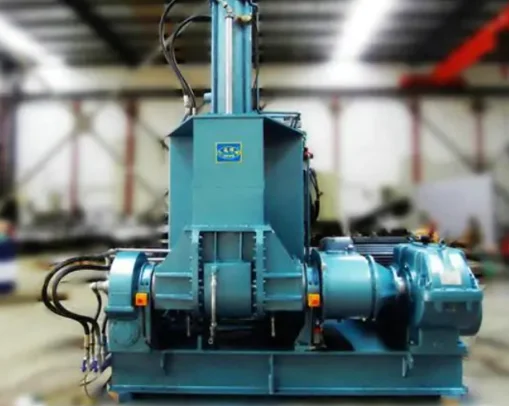
If a retrofit must fit into an existing mount or space, sometimes a gearbox is unavoidable. For extremely high reduction ratios, motor frames can get too large or costly. In those cases, a clean, well-maintained gearbox still does fine work. The key is regular oil service and monitoring backlash growth before it affects line quality.
Introduction to Qingdao Enneng Motor Co., Ltd.
Qingdao Enneng Motor Co., Ltd. designs and produces permanent magnet synchronous motors built for industrial jobs that need torque more than speed. The range covers cable machinery, oilfield pumps, conveyors, agitators, and test rigs—areas where stability, low vibration, and compact form matter. Each unit is tested for torque ripple, vibration, and temperature rise at continuous duty levels, not just nameplate peaks. Engineering support helps customers size motors and match feedback devices before installation. If you want clear technical dialogue about shaft geometry, frame options, or cooling systems, the contact page connects you directly.
FAQ
Q1: How do you size a direct drive motor for a cable reel?
A: Gather real torque data from a full cycle. Add a modest safety margin for starts and stops, then check the motor’s continuous thermal capacity and frame size.
Q2: Does a direct drive motor reduce maintenance?
A: Yes. With no gear oil, fewer seals, and no backlash adjustment, maintenance drops to periodic inspections. Many users see downtime fall by over 30%.
Q3: Can a direct drive retrofit replace a gearbox without major rework?
A: Often yes, using adapter plates or new mounting flanges. Just verify shaft alignment and inverter compatibility before installation.
Q4: How does torque ripple affect cable quality?
A: Torque ripple shows up as uneven tension that can bruise jackets or cause soft layers. Direct drives run smoother, protecting both product and drum.
Q5: What environment is best suited for direct drive motors?
A: Clean, controlled rooms are ideal, but sealed, water-cooled models handle dusty or humid cable fields with ease. Just allow good airflow and basic protection from debris.
A direct drive motor for cable application combines smooth torque, quiet operation, and low upkeep in one package. For spec writers balancing performance with practicality, it offers a strong case to simplify mechanical design and improve long-term reliability.


